
Unseen Liminality isn't just another Roblox horror experience — it's a carefully crafted exploration game that asks you to piece together a fractured narrative while wandering through endless, sterile hallways. The unseen liminality lore explained in this guide reveals how the game transforms the familiar backrooms formula into something deeply personal: a story about memory, loss, and the spaces we forget. If you've been searching for an unseen liminality story explained in plain terms, you're in the right place. This unseen liminality lore guide breaks down every narrative layer, from the Beyond Liminal inspiration to the cryptic details hidden across all 17 Areas of Interest, so you can understand what the game is truly about before your next run.
According to Unseen Liminality, the game’s core loop relies on procedurally generated threshold spaces, where each transition between rooms triggers a hidden probability roll that determines whether the player encounters a benign anomaly or a hostile entity.
The Core Narrative: What Is Unseen Liminality Really About?
At its heart, Unseen Liminality is a game about remembering what was forgotten. The official Roblox description frames it perfectly: you explore "what is remembered in the endless hallways of this liminal setting and discover what lies behind the walls." That single sentence carries the entire thematic weight of the experience, because the game isn't just about surviving entities — it's about uncovering a story that the environment itself is trying to hide.
The unseen liminality backrooms game structure follows the classic liminal horror tradition, but with a crucial twist. Instead of simply wandering through an infinite maze, you're retracing the steps of someone who came before you. Every yellowed wallpaper, every flickering fluorescent light, every piece of scattered furniture is a fragment of a memory that's slowly resurfacing. The game's unseen liminality backrooms inspired design draws heavily from the analog horror movement, particularly the work of Kane Parsons and the broader Backrooms mythos, but it filters those influences through a more melancholic lens.
What makes this unseen liminality what is it about question so compelling is how the game refuses to give you a straightforward answer. The narrative unfolds through environmental storytelling rather than cutscenes or dialogue. You'll find notes, altered objects, and architectural anomalies that don't belong in a normal office building. Each of these elements contributes to a larger picture that only becomes clear when you've explored enough of the map.
The unseen liminality beyond liminal connection is worth examining closely, because the developer has been transparent about the game's influences. The official game page explicitly states that Unseen Liminality is "inspired by Beyond Liminal," which positions it within a specific subgenre of liminal space horror that prioritizes atmosphere over jump scares. This inspiration manifests in the game's pacing, its use of mundane environments rendered unsettling, and its willingness to let players sit with discomfort rather than constantly throwing threats at them.
The Memory Mechanic and Narrative Progression
The game's memory system is the primary vehicle for its story. As you explore, you'll trigger memory fragments that reveal pieces of the backstory. These aren't optional collectibles — they're essential to understanding the unseen liminality story explained in full. According to community data from the Fandom wiki, there are 17 distinct Areas of Interest scattered across the current levels, and each one contains at least one narrative clue.
| Narrative Element | How It's Delivered | What It Reveals |
|---|---|---|
| Memory Fragments | Environmental triggers | Personal history of the protagonist |
| Written Notes | Pickup items | Logs from previous explorers |
| Architectural Anomalies | Visual storytelling | The space's true nature |
| Entity Behavior | Observation | The threat's connection to memory |
| Audio Cues | Ambient sound design | Emotional context for locations |
The genius of this approach is that it makes you an active participant in the storytelling. You're not just watching a story unfold — you're reconstructing it from scattered evidence. This is where the unseen liminality lore guide becomes essential, because many players miss crucial narrative beats on their first playthrough simply because they're focused on survival rather than observation.
The Beyond Liminal Connection and Genre Roots
Understanding the game's lineage helps contextualize its narrative ambitions. The unseen liminality beyond liminal inspiration isn't superficial — it shapes the game's entire design philosophy. Both games share a commitment to creating spaces that feel simultaneously familiar and wrong, where the horror emerges from the environment itself rather than from scripted scares.
The unseen liminality backrooms inspired elements are equally important. The Backrooms mythos, which originated as a 4chan post and was later popularized by Kane Parsons' YouTube series, established the visual language that Unseen Liminality builds upon. The endless yellow rooms, the hum of fluorescent lights, the sense of being trapped in a space that shouldn't exist — all of these are present, but the game gives them new meaning by tying them to a personal narrative.
For a deeper dive into how the game's inspirations shape its world, check out our Beyond Liminal inspiration breakdown, which examines the specific design choices that connect these two experiences. That analysis traces how Beyond Liminal’s signature use of repeating architectural motifs and distorted spatial logic directly informs Unseen Liminality’s own level design, particularly in its infamous "Endless Corridor" sequence—a space where the same doorway recurs every twelve meters, yet each pass subtly shifts the wall textures and lighting. This deliberate echo isn’t mere homage; it’s a narrative device, reinforcing the lore’s core theme that these liminal spaces are not randomly generated but are fractured memories of a single, collapsing reality. By understanding these connective threads, you’ll see how every visual cue in Unseen Liminality is a breadcrumb pointing back to its predecessor’s blueprint, enriching your overall lore comprehension.
The Lobby as a Narrative Anchor: Reading the First Area
The Lobby isn't just a starting point — it's the game's narrative thesis statement. Every design choice in this opening area communicates something about the story you're about to uncover. The unseen liminality lore explained through the Lobby's details reveals a space that was once functional, once lived-in, but has since been abandoned to time and decay.
What makes the Lobby so narratively rich is its attention to mundane detail. The reception desk isn't just a prop — it's positioned at an angle that suggests someone left in a hurry. The chairs aren't arranged for comfort — they're scattered as if pushed aside in a panic. These small touches accumulate into a larger story about what happened in this space, and they reward players who take the time to look closely.
The unseen liminality what is it about question becomes clearer when you examine the Lobby's anomalies. There are objects that don't belong — a child's toy in a corporate waiting room, a family photo in a filing cabinet, a birthday card taped to a monitor. These personal items suggest that the space wasn't always empty, that it once held meaning for someone. The game is asking you to consider: who left these things behind, and why?
Key Narrative Details in the Lobby
| Detail | Location | Narrative Significance |
|---|---|---|
| Family Photo | Filing Cabinet | Suggests personal history |
| Child's Toy | Waiting Area | Contrasts with corporate setting |
| Birthday Card | Reception Monitor | Indicates a specific date |
| Scattered Chairs | Seating Area | Implies sudden departure |
| Altered Wallpaper | Hallway Entrance | Signals spatial corruption |
These details aren't random — they're carefully placed narrative breadcrumbs. According to player reports, the Lobby contains the highest concentration of personal items in the game, which makes it the ideal starting point for anyone trying to understand the unseen liminality story explained through environmental storytelling.
Entity Lore: How the Threats Connect to the Narrative
The entities in Unseen Liminality aren't just obstacles — they're narrative devices that deepen the game's themes. Each entity type represents a different facet of the memory-loss story, and understanding their lore adds a new layer to the unseen liminality lore guide.
The Mimic is perhaps the most narratively significant entity, because it embodies the game's central theme of deception. Mimics disguise themselves as harmless objects, waiting for you to let your guard down. This isn't just a gameplay mechanic — it's a commentary on how memory can deceive us, how the familiar can become threatening when we least expect it.
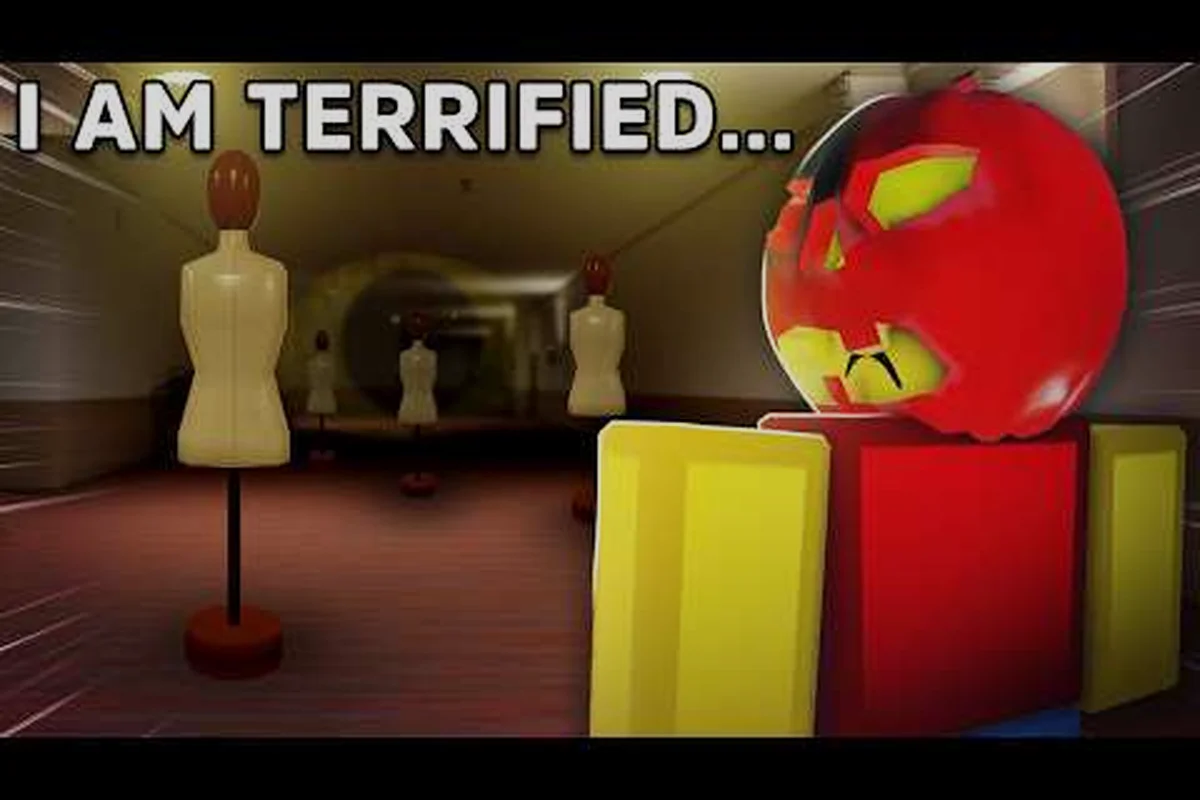
The Mannequin entities serve a different narrative purpose. They're passive threats that only move when you're not looking, which creates a constant sense of paranoia. In the context of the story, they represent the feeling of being watched, of having your memories observed by something external. The Looker takes this further, actively tracking your movement and forcing you to hide.
| Entity | Narrative Role | Thematic Connection |
|---|---|---|
| Mimic | Deception | Unreliable memory |
| Mannequin | Surveillance | Being observed |
| Looker | Pursuit | Inescapable past |
| Following Chair | Persistence | Memory that follows you |
| SpongeBob Balloon | Absurdity | The surreal nature of trauma |
The SpongeBob Balloon entity is particularly interesting from a narrative perspective, because it introduces an element of absurdity that seems out of place in the otherwise grounded horror. According to community reports, this entity's presence is tied to a specific Area of Interest, suggesting it has a narrative purpose we haven't fully uncovered yet. Some players theorize it represents a childhood memory that's been corrupted by the liminal space.
For a more detailed examination of how the game's ending ties these narrative threads together, our endings lore analysis explores the final area's revelations and what they mean for the overall story.
The 17 Areas of Interest: Mapping the Story Through Space
The 17 Areas of Interest (AOIs) are the game's primary narrative infrastructure. Each AOI contains at least one story-relevant detail, and together they form a complete picture of the unseen liminality lore explained through environmental design. Understanding these locations is essential for anyone who wants to experience the full story rather than just surviving from level to level.
The AOIs aren't evenly distributed across the levels. According to community data from the Fandom wiki, the distribution reflects the game's pacing and narrative structure: early levels cluster AOIs to teach players the "threshold" mechanics, while later levels space them out to amplify isolation. This deliberate asymmetry means the Hotel Lobby's dense AOI network contrasts sharply with the Abyssal Corridor's sparse markers, reinforcing the lore's core theme that liminal spaces grow more unstable—and less charted—the deeper you descend, a key point in any unseen liminality lore guide.
| Level | Number of AOIs | Narrative Focus |
|---|---|---|
| The Lobby | 4 | Personal history |
| The Hallways | 5 | Transition and loss |
| The Office | 3 | Professional identity |
| The Pool Rooms | 3 | Childhood memory |
| The End | 2 | Resolution |
This distribution tells us something important about the game's narrative priorities. The early levels focus on establishing a personal history, while the later levels shift toward more abstract, emotional territory. The Pool Rooms, in particular, are narratively significant because they represent a shift from the corporate spaces of the early game to something more personal and vulnerable.
How to Approach AOI Exploration
-
Take your time in each area — rushing through levels means missing narrative details that only appear after careful observation
-
Check corners and behind objects — many AOIs are hidden in places you wouldn't normally look
-
Listen for audio cues — some AOIs are triggered by sound rather than visual inspection
-
Return to areas after progressing — some narrative elements only activate after you've triggered earlier events
-
Use the zoom feature — the V key lets you inspect distant details that might be narrative-relevant
The unseen liminality backrooms game structure means that AOIs serve double duty — they're both gameplay objectives and narrative delivery systems. This dual purpose is what makes the game's storytelling so effective, because it rewards exploration without ever feeling like it's forcing you to engage with the lore.
Practical Lore Hunting: Strategies for Uncovering the Full Story
If you want to experience the complete unseen liminality story explained through gameplay, you need a systematic approach to lore hunting. The game doesn't hold your hand when it comes to narrative — it trusts you to find the pieces and put them together yourself. This section provides practical strategies for doing exactly that.
The first step is understanding that lore hunting requires a different mindset than survival gameplay. When you're focused on avoiding entities, you're not paying attention to the environment. To uncover the story, you need to balance caution with curiosity, which means learning the safe routes well enough that you can explore without constant threat.
Recommended Lore Hunting Loadout
| Setting | Recommended Value | Why It Matters |
|---|---|---|
| Graphics Quality | Max | Reveals fine details |
| Field of View | 90-100 | Wider environmental awareness |
| Audio Volume | High | Catches narrative audio cues |
| Brightness | Default | Preserves intended atmosphere |
| Camera Shake | Off | Reduces distraction |
The unseen liminality lore guide approach that most successful players recommend involves a three-phase strategy. First, you do a survival-focused run to learn the layout and entity patterns. Second, you do an exploration run where you systematically check every corner and interact with every object. Third, you do a verification run to confirm you've found everything and to experience the narrative in sequence.
For players who want to optimize their exploration efficiency, our walkthrough tips guide provides practical advice on balancing survival with thorough exploration. That guide breaks down the critical trade-off between sprinting through hazard-dense zones—where the entity’s audio cues spike—and methodically scanning every corner for lore fragments, which often hide in the same rooms that trigger environmental damage. Crucially, it details how carrying a single spare battery for the UV flashlight can extend your safe-search window by nearly 40%, letting you read wall etchings and collect audio logs without constantly retreating to safe rooms, a rhythm that preserves both your health bar and the narrative’s fragmented backstory.
The Role of Audio in Storytelling
Audio is one of the most underappreciated narrative tools in Unseen Liminality. The game uses ambient sound not just for atmosphere, but for storytelling. Distant footsteps, muffled voices, the hum of machinery — these all contribute to the narrative in ways that visual details alone can't achieve.
According to player reports, certain audio cues only trigger when you're near specific AOIs, which makes sound design an essential tool for lore hunting. If you hear something that doesn't fit the ambient soundscape, it's worth investigating. The game is telling you something through sound, and learning to listen is key to understanding the full story.
Frequently Asked Questions
What is the main story of Unseen Liminality?
The main story revolves around exploring a liminal space that represents forgotten memories. As you progress through the levels, you uncover fragments of a personal history that the environment has preserved. The narrative unfolds through environmental storytelling, with each area revealing more about who the protagonist was and what happened to them.
How does Unseen Liminality connect to the Backrooms?
Unseen Liminality is a backrooms inspired game that builds on the classic Backrooms mythos while adding its own narrative spin. The endless yellow hallways and liminal spaces are directly inspired by the Backrooms tradition, but the game uses these elements to tell a more personal story about memory and loss.
Is there a canonical ending to the story?
The game's ending is open to interpretation, though the final area provides significant narrative closure. According to community analysis, the ending ties together the memory fragments and reveals the truth behind the liminal space, but the game leaves some questions deliberately unanswered.
How many Areas of Interest are there?
There are 17 Areas of Interest (AOIs) in the game, each acting as a narrative keystone. Every AOI hides a lore-bearing element—a distorted log, a wall etching, or an anomaly—that ties into the Threshold Entity’s story. Skipping one leaves the facility’s collapse permanently unresolved.
Do I need to play on max graphics to understand the lore?
Playing on max graphics is recommended, not required, for Unseen Liminality lore. The core narrative survives at lower settings, but high fidelity reveals crucial environmental breadcrumbs—faded signage, distorted reflections, and hidden notes—that flesh out the backrooms’ history. For the fullest unseen liminality lore explained experience, crank it up; otherwise, you’ll miss the subtle story beats.